
غير مصنف
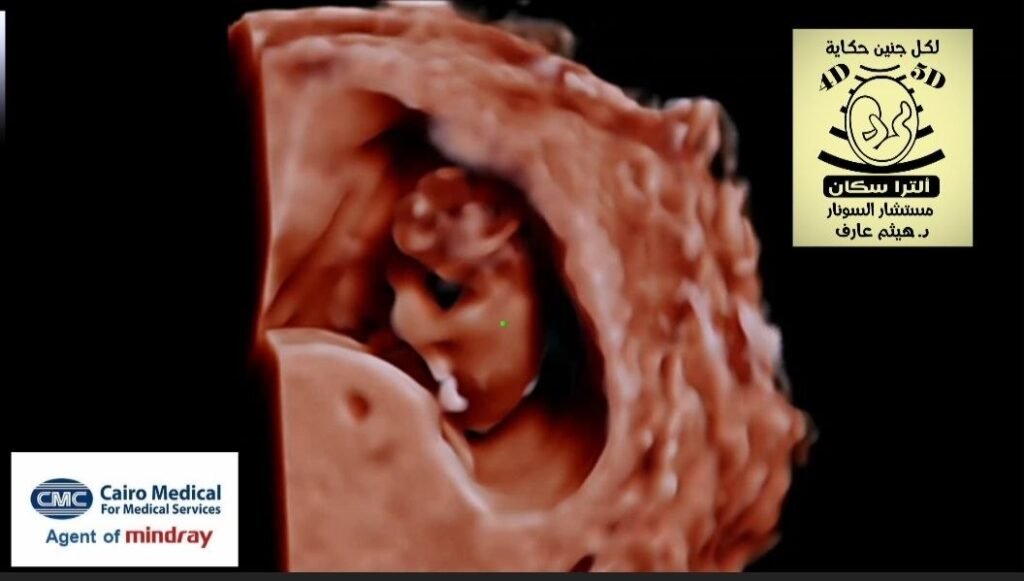
Diandric triploidy fetal ultrasound
Diandric triploidy is a genetic abnormality where a fetus has 69 chromosomes instead of 46, with the extra set derived from the father (69,XXX, 69,XXY, or 69,XYY), often resulting from dispermy. This condition typically causes early first-trimester miscarriage, presenting with a partially hydatidiform mole, a large, cystic placenta, and anomalous FGR fetus.
Key Aspects of Diandric Triploidy:
- Origin: Caused by fertilization of a single ovum by two sperm (dispermy) or a single diploid sperm, resulting in an extra paternal set of chromosomes (PPM).
- Gestational Timing: Most cases are lost in the first trimester, with frequency decreasing significantly by the second trimester .
- Clinical Presentation: Associated with partial hydatidiform mole, characterized by a large cystic placenta and a fetus with potential severe, asymmetrical growth restriction .
- Diagnosis: Confirmed through karyotyping, FISH (Fluorescence In Situ Hybridization), or molecular analysis (like qPCR) on fetal/placental tissue, says the National Institutes of Health (NIH).
- Maternal Complications: Can lead to complications such as preeclampsia, vaginal bleeding, or rarely, gestational trophoblastic neoplasia