

غير مصنف
joubert syndrome fetal ultrasound
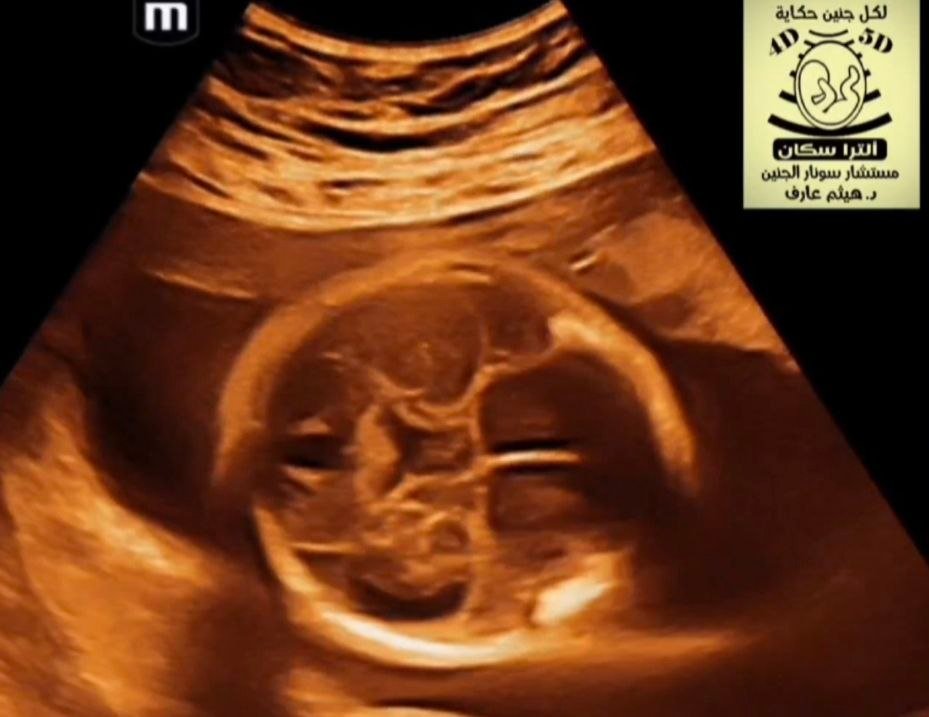
Fetal ultrasound for Joubert syndrome often reveals the characteristic “molar tooth sign” (MTS) from roughly 18-20 weeks gestation onwards, defined by an abnormally deep interpeduncular cistern, thickened superior cerebellar peduncles, and a hypoplastic vermis. Other markers include a “batwing” shaped fourth ventricle and increased posterior fossa fluid.
Key Ultrasound Findings (Prenatal Diagnosis)
- Molar Tooth Sign (MTS): The hallmark finding, identifiable on axial views of the fetal brain, where the cerebellum appears similar to a molar tooth due to hypoplasia of the cerebellar vermis and thickening of the superior cerebellar peduncles.
- Vermis Hypoplasia/Aplasia: An under-developed or absent cerebellar vermis, often showing a wide gap between the cerebellar hemispheres.
- Fourth Ventricle Abnormalities: The fourth ventricle often takes on a “batwing” or triangular shape rather than its normal appearance.
- Posterior Fossa Fluid: A dilated cistern magna or general enlargement of the posterior fossa.
- Associated Anomalies: In some cases, fetal ultrasound may detect additional features, including polydactyly (extra digits), renal cysts, or occipital encephalocele.
